
Long Miles Coffee

  • Washing station / Farms

    Heza, Bukeye, Ninga / Mikuba et. al.

  • Country

    Burundi

  • Region

    Kayanza

  • Elevation

    1900 - 2000 masl

  • Varieties

    Bourbon

  • Crop

    May - June

  • Cooperation

    Since 2014

Long Miles Coffee

Long Miles Coffee Project is close to our heart. A project by an American family that uses coffee quality as a tool to improve the livelihoods of farming communities in Burundi.

Long Miles Coffee
Long Miles Coffee
Long Miles Coffee
Long Miles Coffee
Long Miles Coffee
Long Miles Coffee
Long Miles Coffee
Long Miles Coffee
Long Miles Coffee
Long Miles Coffee

Listen to our podcast

Farm

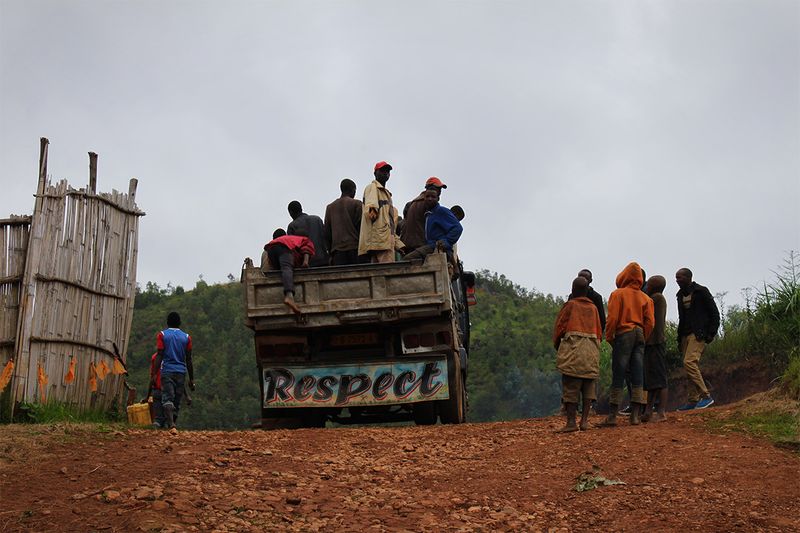
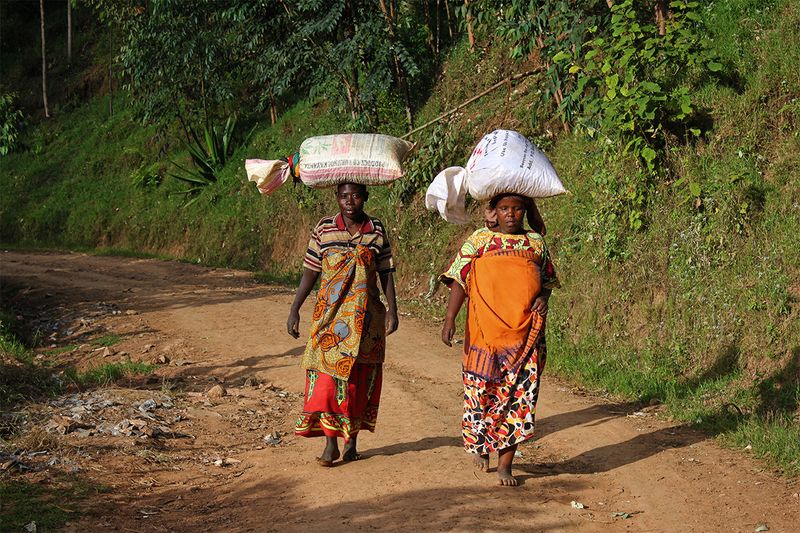
In Burundi, each “hill” functions as its own micro-community, typically made up of 60–140 families. Mikuba, Nkonge, Gitwe—these are the names of the hills from which farmers deliver coffee cherries to the Heza washing station.

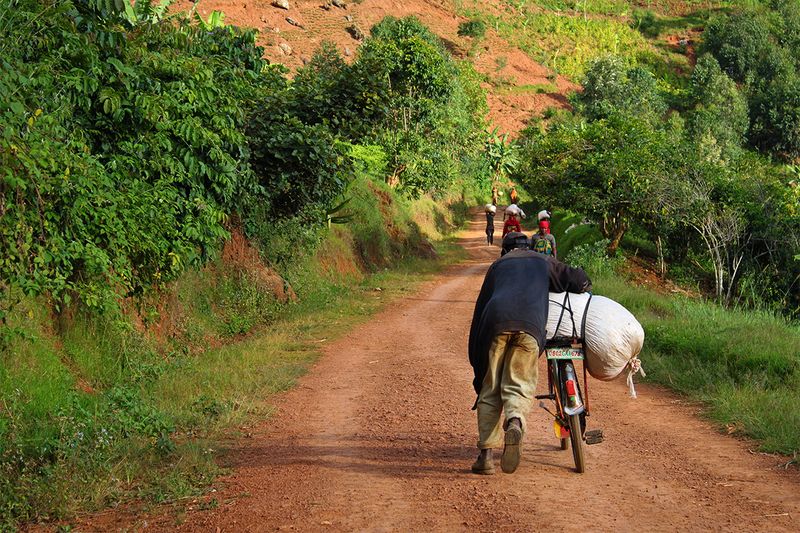
In previous years, Long Miles Coffee established collection points closer to farmers to reduce the need for long journeys—sometimes taking an entire day on foot. These were later banned by the government for unclear reasons, which is just one of many challenges of working in Burundi.

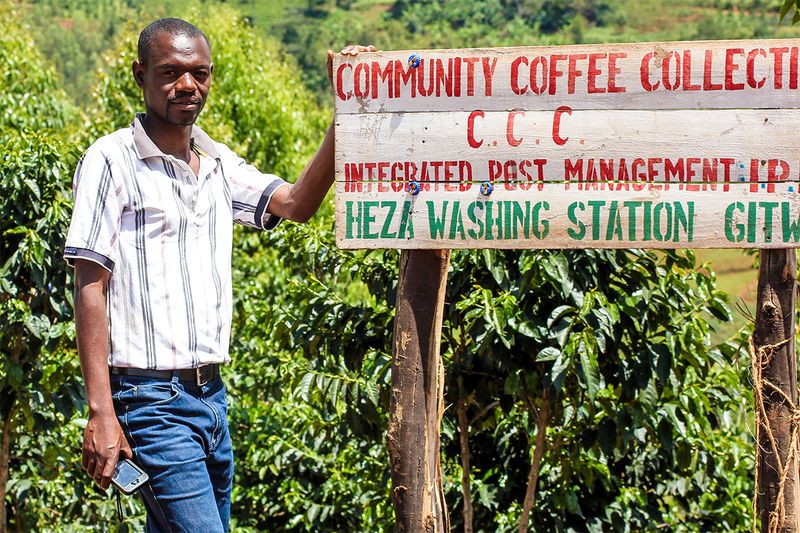
Ben Carlson, founder of Long Miles Coffee, is a strong advocate of microlots. All coffee is therefore processed and separated based on the specific hill it comes from. The coffee we regularly purchase comes exclusively from Mikuba hill, located just a few kilometers from Heza.

Washing station

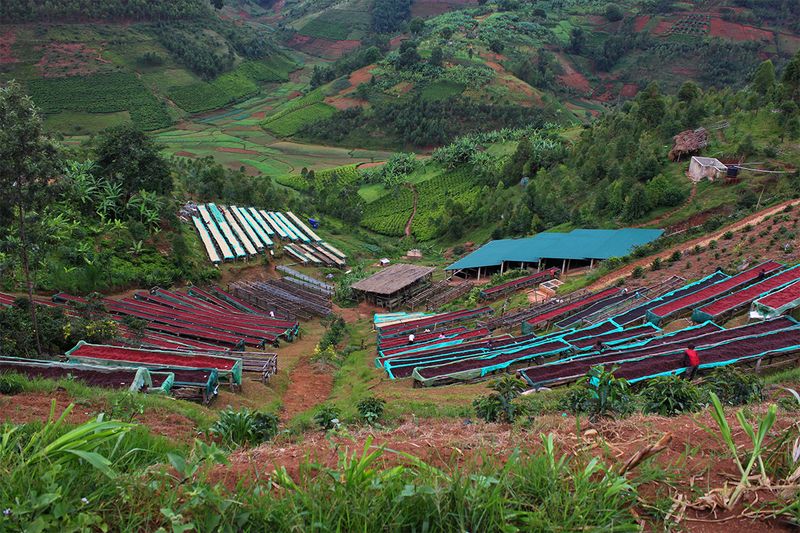
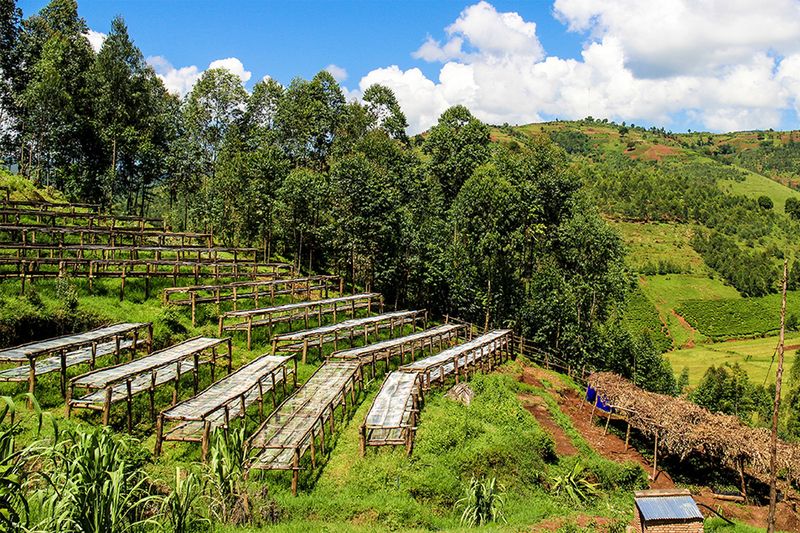
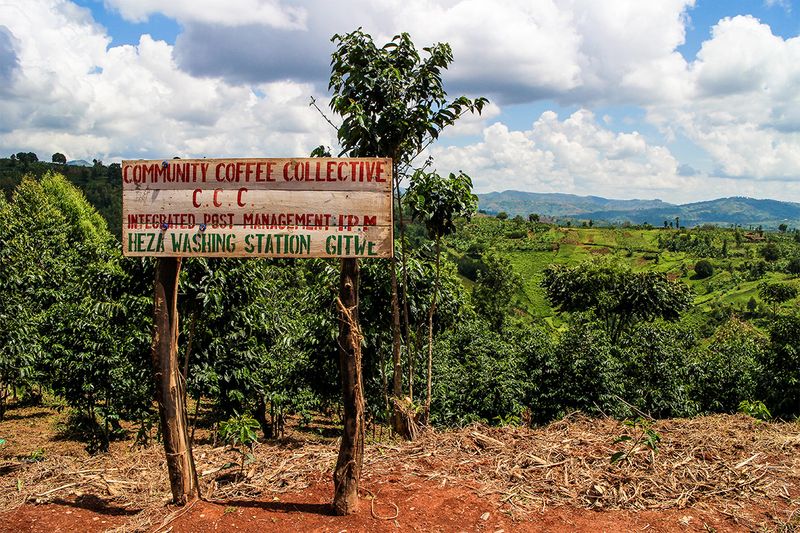
Heza is one of three washing stations operated by Long Miles Coffee in Burundi. Located at 1,960 meters above sea level, getting there is an experience in itself.

The station is truly remote, yet surrounded by densely populated hills full of smallholder farmers. “Heza” means “beautiful place” in Kirundi, the local language—and the name fits. Wide views across the landscape and the ever-changing East African sky define the character of this place.

Producer

Long Miles Coffee is a long-term partner and a project we deeply care about.

Founded by Ben Carlson and his wife Kristy Carlson, the project is rooted in their decision to move to Burundi and build a transparent, sustainable model of working with coffee farmers. Today, they live there with their three children.

Long Miles Coffee connects thousands of smallholder farmers with quality processing and direct access to market. Their work focuses on farmer education, fair pricing, and full traceability down to individual hills.

Ben is known for his optimism and long-term mindset—essential qualities in a place where things rarely go as planned.

Variety

Coffee production in Burundi is dominated almost entirely by bourbon. In the country’s iron-rich soils, it thrives and produces clean, structured cup profiles.

So why are Burundian coffees less common on the market? The main issue is logistics. Export processes are burdened by bureaucracy and inefficiencies—sometimes as extreme as requiring documents typed on a single available typewriter in the country.

Producing great coffee is one challenge. Exporting it quickly and in good condition is often an even bigger one. Political and social instability since 2015 has only added to the complexity.

Processing

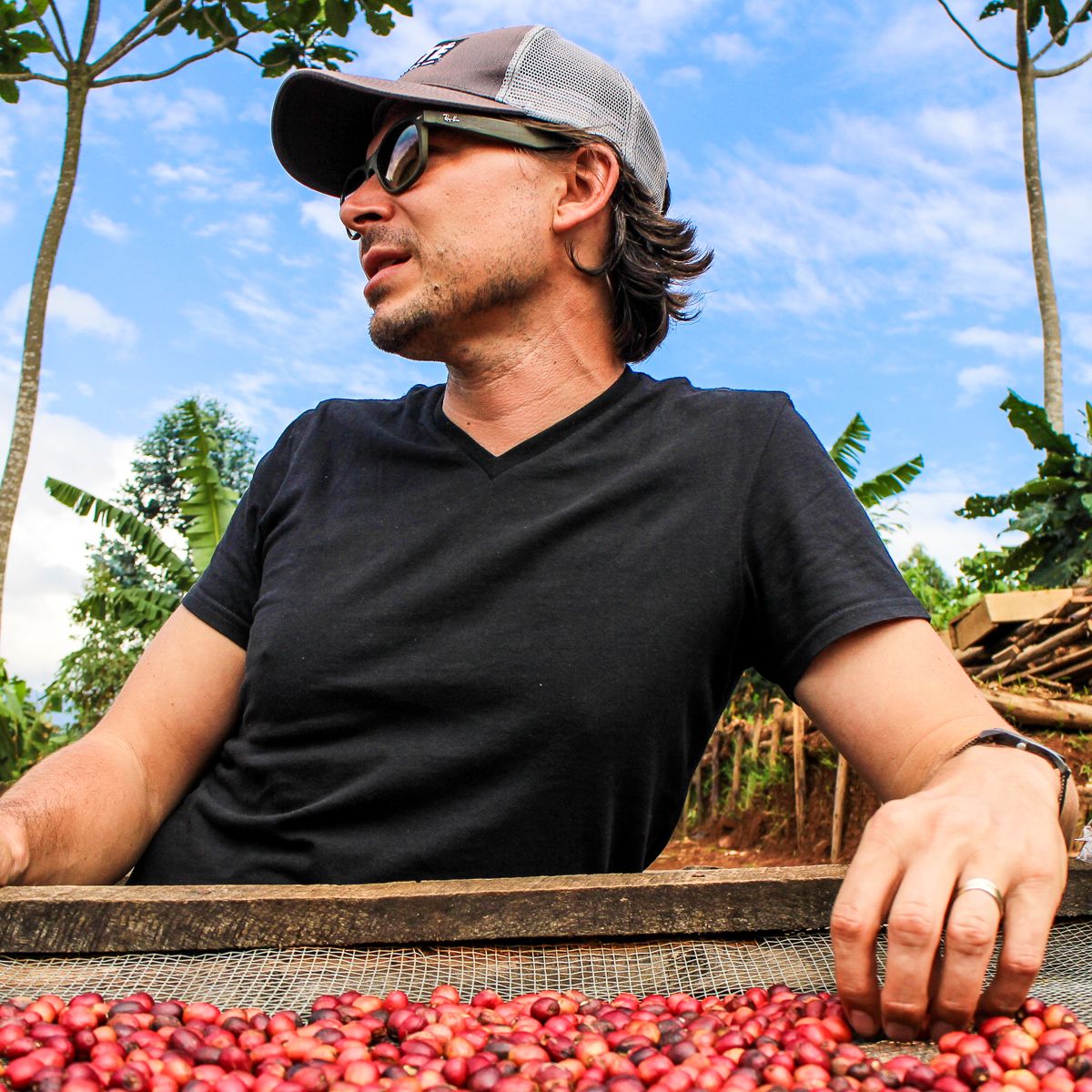
Harvest takes place from April to June. Farmers handpick ripe bourbon cherries early in the morning and deliver them to the station the same day.

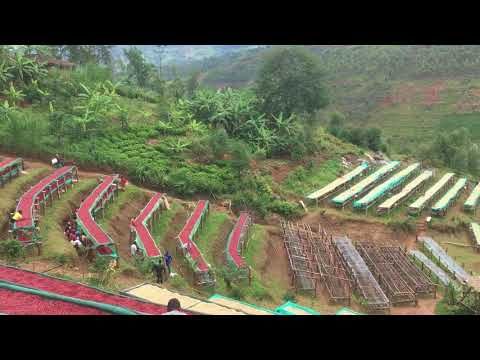
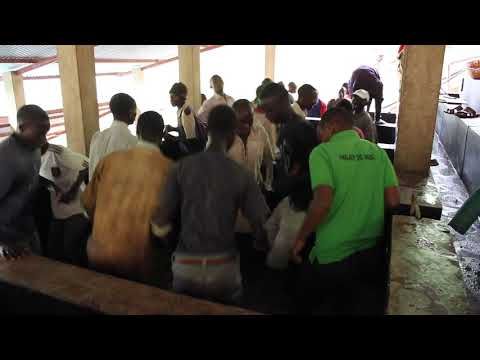
At the station, cherries undergo multiple stages of sorting—first by flotation in water, then by hand. Each farmer has a personal record where the weight of delivered cherries is logged.

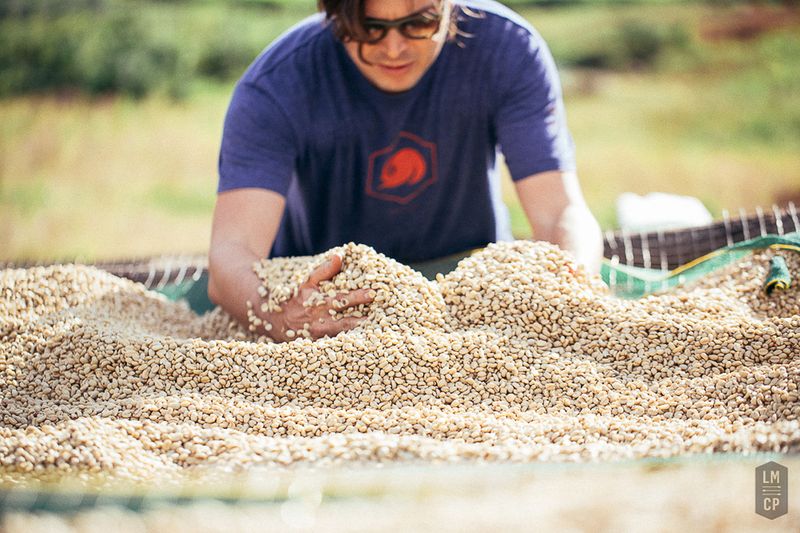
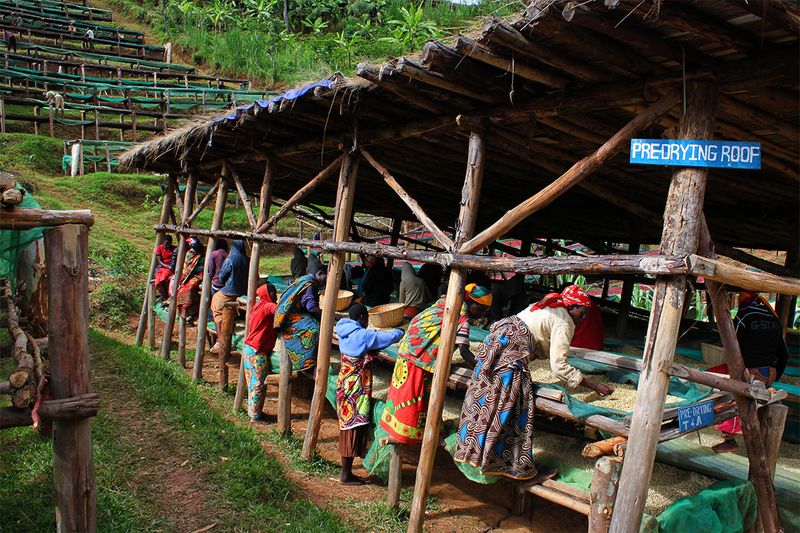
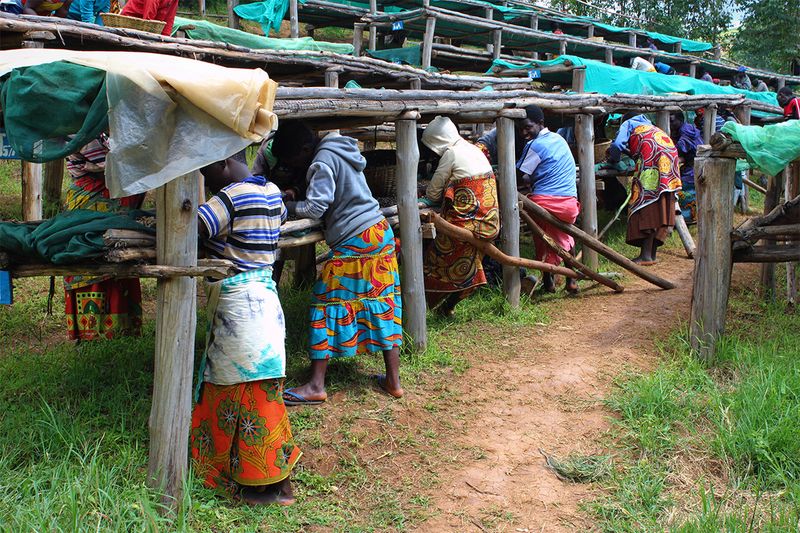
Washed process - cherries are pulped (McKinnon pulper) and fermented overnight for approximately 12 hours. They are then washed and dried first on shaded African beds to prevent cracking, followed by sun drying for 8–30 days depending on weather conditions.

Honey process - after pulping, fermentation is skipped and the coffee goes directly to drying beds.

Natural process - whole cherries are dried without pulping.

Challenges

One of the most significant issues in Burundi is the so-called “potato defect,” caused by the antestia bug. It only becomes noticeable after roasting and grinding, making it nearly impossible to detect during processing. Long Miles Coffee addresses this through a structured, long-term approach. They have developed a team of “coffee scouts”—local people from the hills who help farmers with prevention, organize manual collection of the insects and provide agricultural training.

It’s meticulous and time-consuming work, but currently the most effective way to reduce the defect. Farmers are regularly motivated and rewarded for their efforts.

Each year brings new challenges. Fuel shortages can halt station operations, as everything depends on generators. Other years bring water shortages, limiting washed processing. Or heavy rains slow down drying.

This is the reality of producing coffee in Burundi—and one of the reasons these coffees deserve attention.

Enjoy with

Farm • Mikuba

Burundi
430 Kč
Go to detail