
Los Chelazos

  • Farms

    25 smallholder farms in La Palma and Citala vicinity

  • Country

    El Salvador

  • Region

    Chalatenango

  • Elevation

    1600 - 1800 masl

  • Varieties

    Pacas, Pacamara, Bourbon

  • Crop

    November - March

  • Cooperation

    Since 2015

Los Chelazos

A regional blend from producers who grow coffee in the Montecristo Trifinio Nature Reserve on the border of El Salvador, Guatemala and Honduras

Los Chelazos
Los Chelazos
Los Chelazos
Los Chelazos
Los Chelazos
Los Chelazos
Los Chelazos
Los Chelazos
Los Chelazos
Los Chelazos

Read our blog post:

El Salvador Káva ze země Spasitele
Přečtěte si víc

Farms

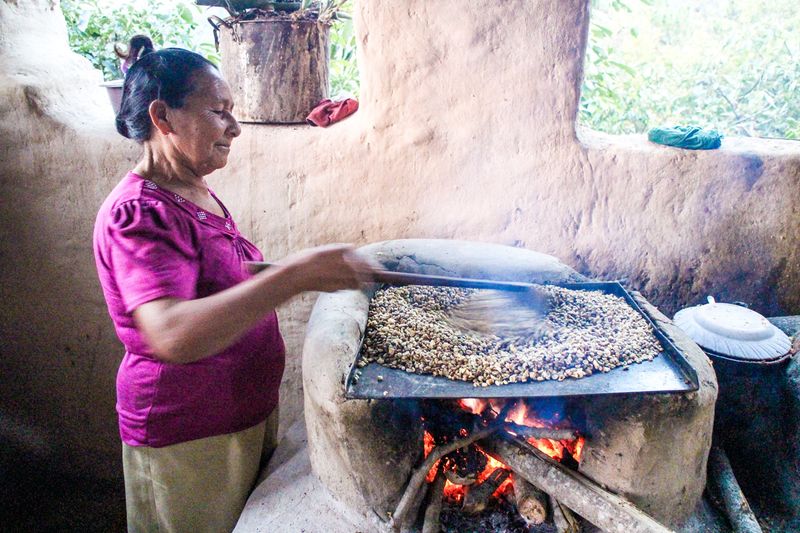
“Chelazos” is a nickname for people from the department of Chalatenango in northern El Salvador, right on the border with Honduras. Locals here often have lighter skin and green or blue eyes – a combination that is quite rare in the rest of the country. They are therefore called “Chelitos”, and this is where the name of the Los Chelazos blend comes from. Los Chelazos brings together coffees from two key cantones, Citalá and La Palma, both located in the Montecristo Trifinio National Park on the tri-border between El Salvador, Guatemala and Honduras. The area was declared a nature reserve in 2011 and, thanks to its elevation and microclimate, is known for its remarkable biodiversity.

We started working in Chalatenango several years before we founded the doubleshot roastery. Within the Fomilenio development programme, financed primarily by the United States, we helped more than one hundred smallholders improve quality control and processing. After doubleshot was established, we continued to buy coffee directly from several of these producers for another two years, but the relationships gradually faded out mainly due to logistical hurdles. We returned to the region in 2015 together with our long-term partner, Caravela.

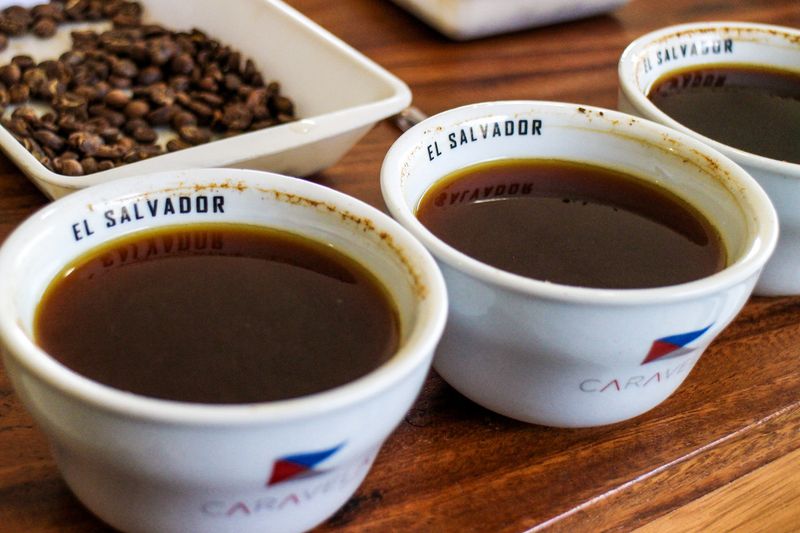
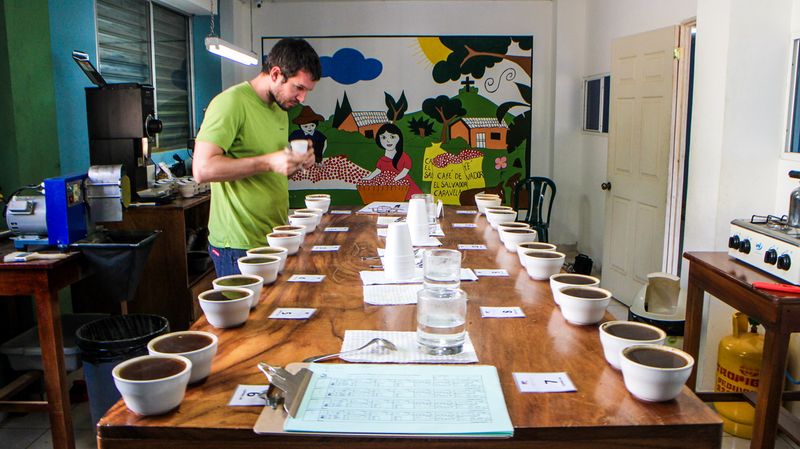
In December 2015, Caravela opened a buying station and cupping lab in La Palma and began actively searching for producers who share the same approach to growing and processing coffee. Because farms in Chalatenango tend to be very small, most coffees are assembled into carefully built regional blends such as Los Chelazos or Aguacatal. We have been buying these lots every harvest since 2015.

Producers

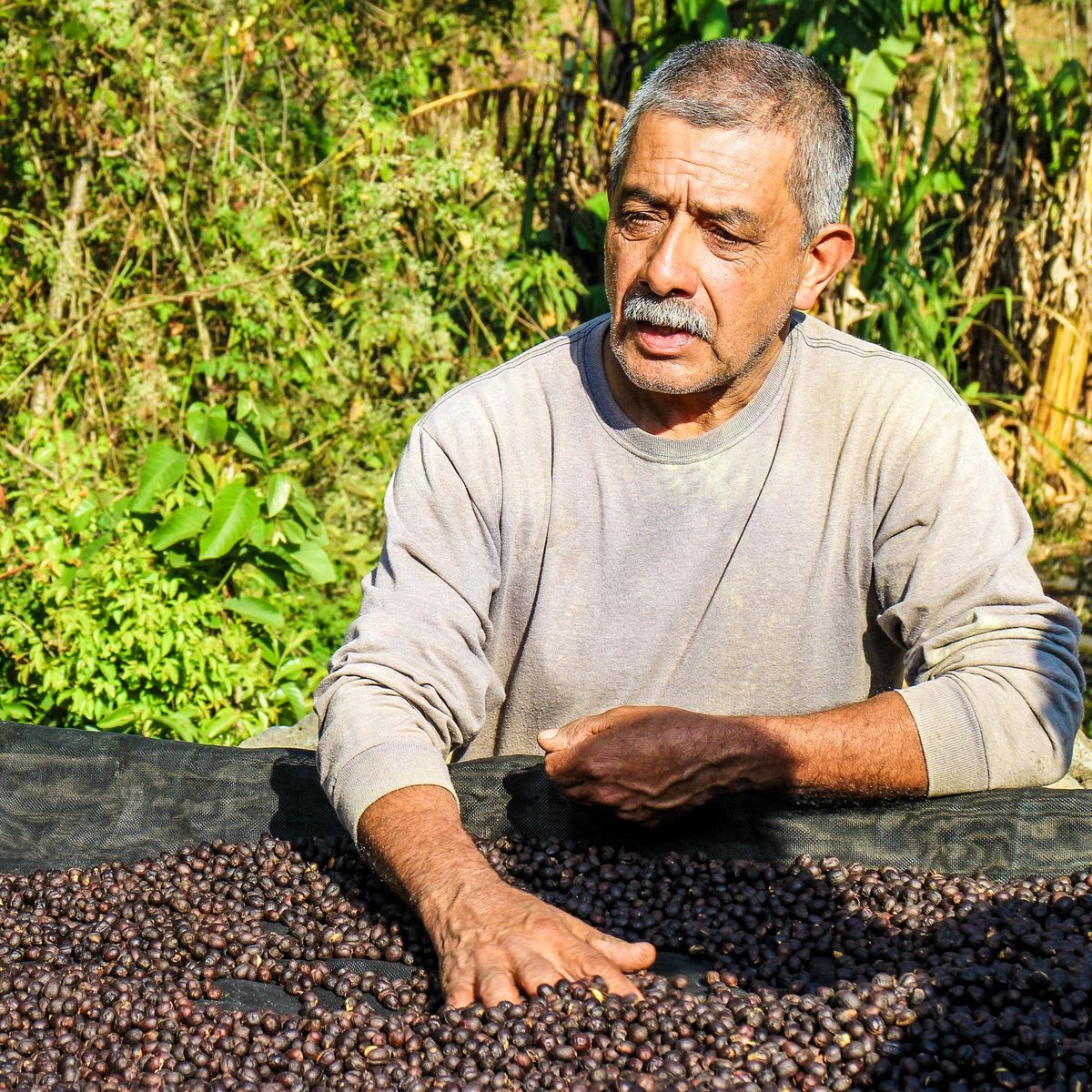
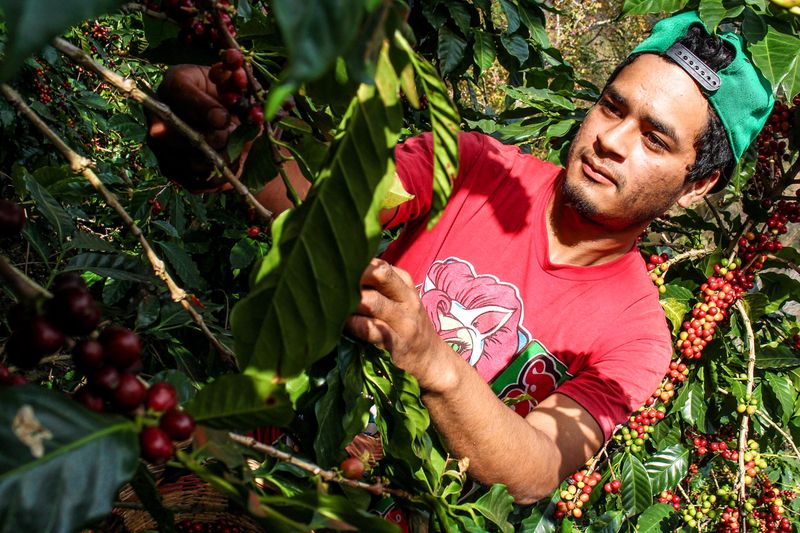
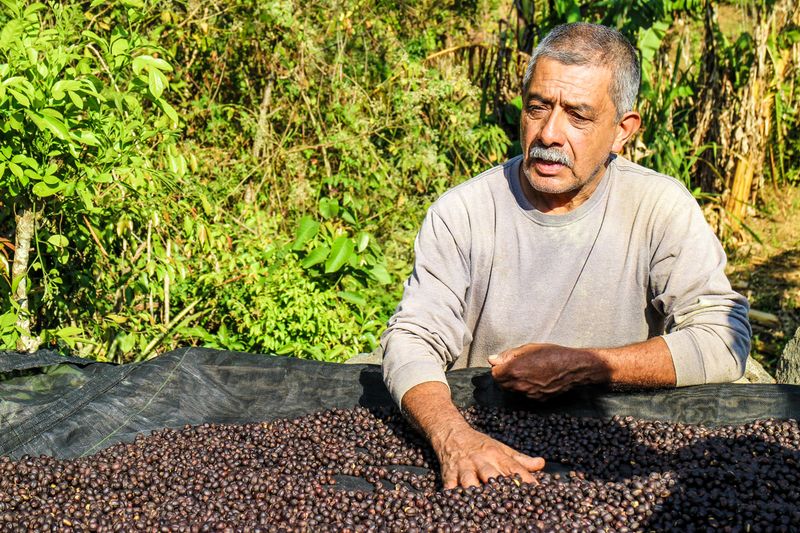
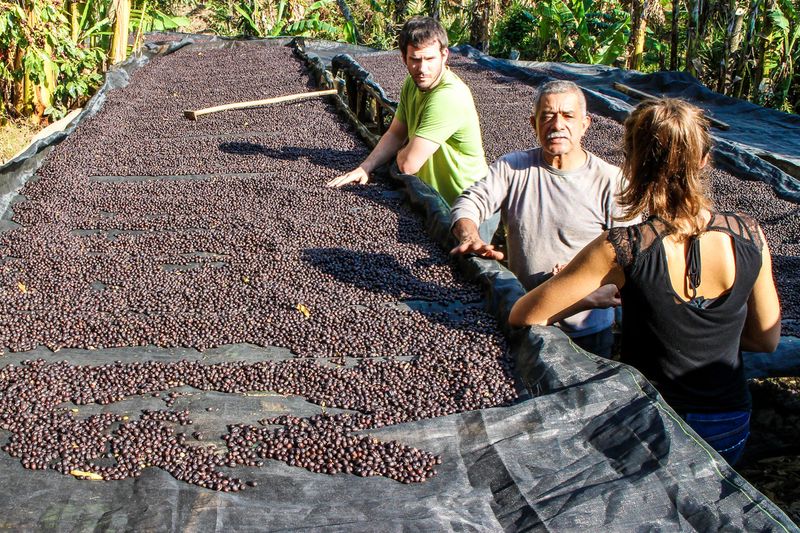
Around 25 producers stand behind Los Chelazos, many of whom have been working with Caravela for more than a decade. They deliver their coffee to the buying station as dried parchment. The final hulling, sorting and consolidation into containers takes place at Caravela’s dry mill (beneficio seco). What unites these growers is their focus on quality and a shared passion for specialty coffee. Most families in the area rely on coffee as their main source of income; for their own consumption they grow staple crops such as maize, beans and fruit on their farms.

The farms sit between 1,200 and 1,800 metres above sea level. You will find both traditional varieties like Pacas, Bourbon and Catuai, and less common cultivars such as Pacamara, Cuscatleco, Costa Rica 95 and Ana-café 14.

Processing

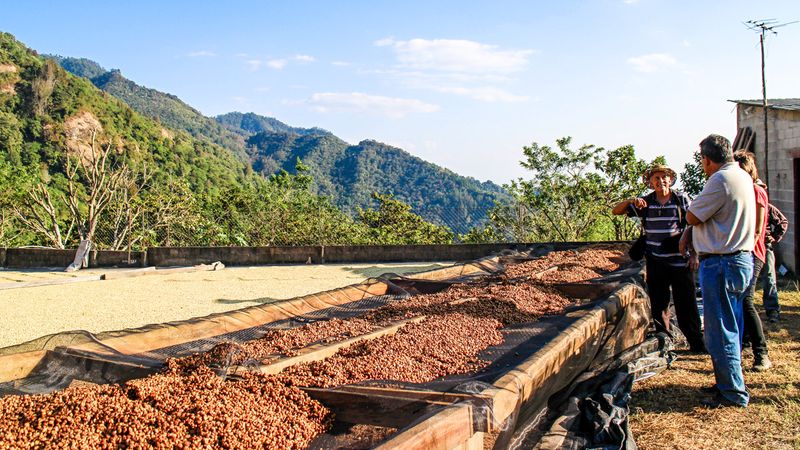
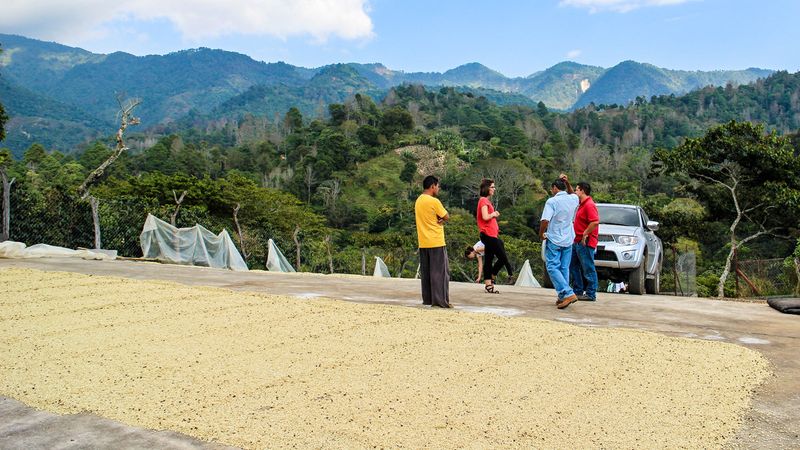
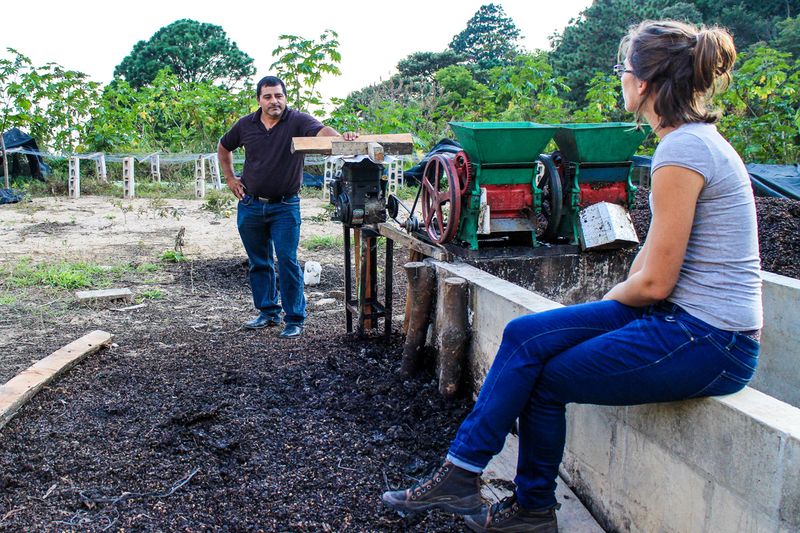
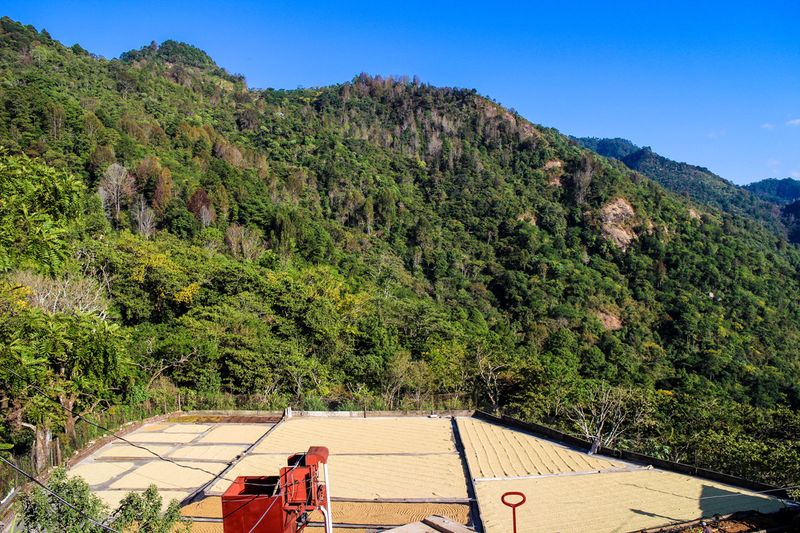
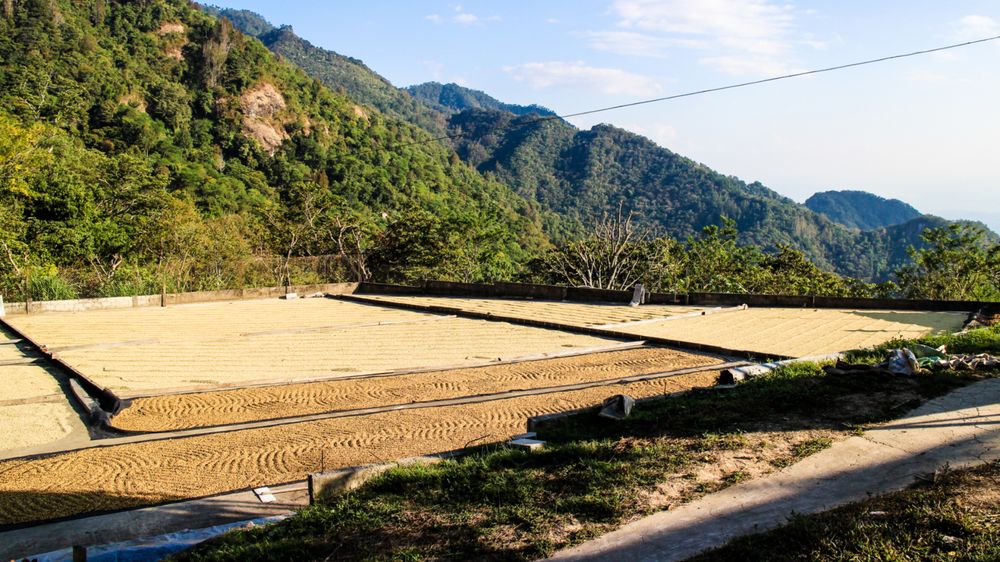
Most of the coffee is processed as washed. Freshly picked cherries are first left to rest for a short “in-cherry” fermentation (locally referred to as reposado). They are then floated in water to remove so-called floaters – cherries with lower-density seeds. The coffee is pulped in small hand-driven or diesel-powered pulpers and fermented for around 12 hours in tanks. The final step is drying on raised African beds or on concrete patios.

As part of the Fomilenio project in 2009, our task was to introduce producers to alternative processing methods such as honey and natural. Honey and naturally processed Pacamara from Chalatenango quickly became something of a benchmark among specialty green buyers. For our flagship single-origin espresso ERA, however, we prefer washed lots of the traditional Pacas variety, which thrives particularly well in this region.

Fun Fact

One of the nice ironies of this project is that the Los Chelazos blend – today one of the key components of our ERA espresso – still includes coffee from producers for whom we built the very first African drying beds and set up quality control protocols back in 2009 under the Fomilenio programme.

Era

Flagship single origin espresso
340 Kč
Go to detail